
Industrial Chemicals
LANGUAGE
Industrial Chemicals

Sep. 22, 2023
Formic Acid, also known as Methanoic Acid, is the simplest carboxylic acid and an important organic chemical used across a range of industrial applications. It is naturally present in some plants and insects and is also commercially produced for use in chemical processing and manufacturing.
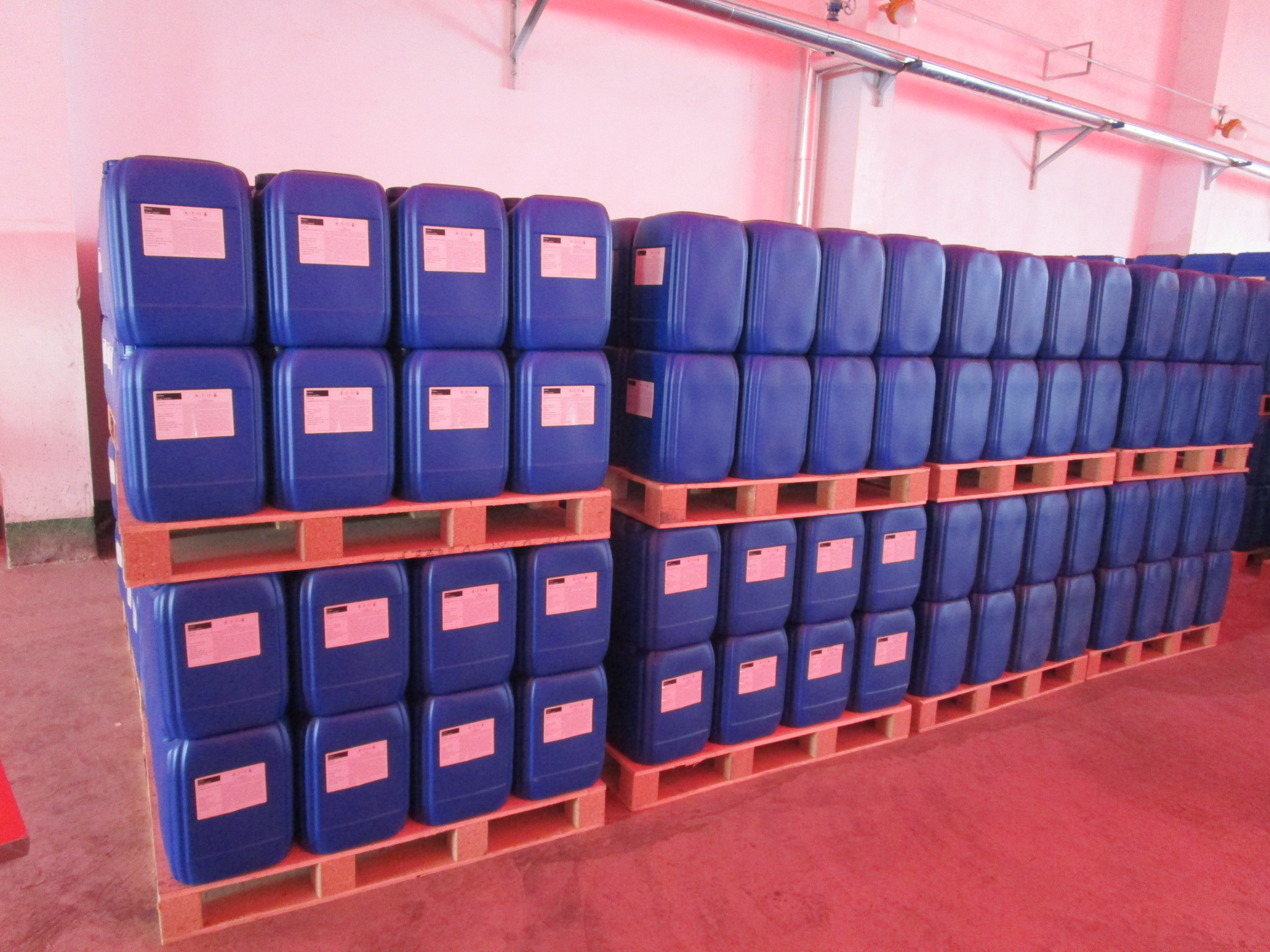
Formic acid is a colorless liquid characterized by its pungent odor. It serves as a weak electrolyte, but its aqueous solution exhibits mild acidity and corrosiveness, capable of causing skin blistering. Interestingly, formic acid is commonly found in the secretions of bees, certain ants, and caterpillars. This organic chemical material also finds utility as a disinfectant and antiseptic.

1. Physical Properties
Formic Acid is a colorless liquid with a characteristic pungent odor. Its density is approximately 1.22 g/cm³ at 20°C, and its molecular weight is approximately 46.025 g/mol.
2. Acidic Properties
As a carboxylic acid, Formic Acid can act as an acidifying and pH-regulating agent. Its pKa is approximately 3.75, which contributes to its effectiveness in applications requiring controlled acidity.
3. Solubility and Chemical Reactivity
Formic Acid is highly polar and can participate in various chemical reactions. It is used as a solvent, chemical intermediate, processing aid, and reaction regulator in different industrial processes.
4. Corrosive Properties
Concentrated Formic Acid is corrosive and can cause severe skin burns and eye damage. It can also be corrosive to certain metals and may attack some plastics and other materials. Therefore, appropriate material compatibility and handling procedures should be considered when storing or using Formic Acid.
Leather Industry: Formic acid plays a crucial role in the leather industry, serving as a tanning agent, deliming agent, and neutralizing agent. It is used in processes such as tanning, deliming, hair removal, and lime addition to prevent mildew in wet leather.
Rubber Industry: In the rubber industry, formic acid serves as a coagulant for natural rubber.
Animal Feed Industry: Formic acid is employed for forage and grain storage in the animal feed industry. It significantly suppresses or prevents mold growth.
Textile Industry: Formic Acid is used in dyeing, finishing, and pH adjustment processes. Its acidifying properties help control processing conditions.
The versatility of formic acid is evident in its wide-ranging applications across diverse industries. From leather tanning to pharmaceuticals and beyond, this compound continues to play a pivotal role in various industrial processes, showcasing its importance in the modern world.
What is Formic Acid?
Formic Acid is the simplest carboxylic acid, also known as Methanoic Acid. Its chemical formula is CH₂O₂, and its CAS Number is 64-18-6.
What is Formic Acid used for?
Formic Acid is used in a variety of industries, including leather tanning, textile processing, animal feed preservation, rubber and latex processing, chemical manufacturing, paper processing, and electroplating.
Yes. Formic Acid, particularly at higher concentrations, is corrosive and can cause severe skin burns and serious eye damage. It may also corrode certain metals. Appropriate protective equipment and handling procedures are required.
The molecular formula of Formic Acid is CH₂O₂, and its molecular weight is approximately 46.025 g/mol.
Formic Acid, also known as Methanoic Acid, is the simplest carboxylic acid. It is widely used in agriculture, leather processing, textiles, and various industrial applications.
Personal Protective Equipment
Wear appropriate chemical-resistant gloves, protective clothing, and safety goggles or a face shield to minimize skin and eye exposure. Avoid direct contact with Formic Acid. Remove contaminated clothing promptly.
Ventilation
Handle Formic Acid in a well-ventilated area with suitable local exhaust ventilation. For concentrated products or operations that may generate vapors, use appropriate engineering controls, such as a chemical fume hood.
Storage
Keep Formic Acid in tightly closed, suitable containers and store it in a cool, dry, and well-ventilated area. Keep it away from heat, sparks, open flames, and other ignition sources. Storage areas should be designed to prevent accidental release into drains or waterways.
Material Compatibility
Appropriate materials for containers and equipment should be selected according to the concentration and specific product grade.
Emergency Handling
In case of a spill, keep personnel away from the affected area, ensure adequate ventilation, eliminate ignition sources, and use appropriate PPE. Prevent Formic Acid from entering drains or waterways. Small spills should only be cleaned up by trained personnel using suitable absorbent materials and disposal procedures. In case of skin or eye contact, rinse immediately with plenty of water and seek medical attention as required.
For more information about formic acid, please contact us through the contact page.

Tianjin Chengyi International Trading Co., Ltd.
8th floor 5th Building of North America N1 Cultural and Creative Area,No. 95 South Sports Road, Xiaodian District, Taiyuan, Shanxi, China.
+86 351 828 1248 / +86 351 828 1246
Navigation

